It has been a while since I posted one of my fairytales and this one has been brewing in the back of my mind for a while.
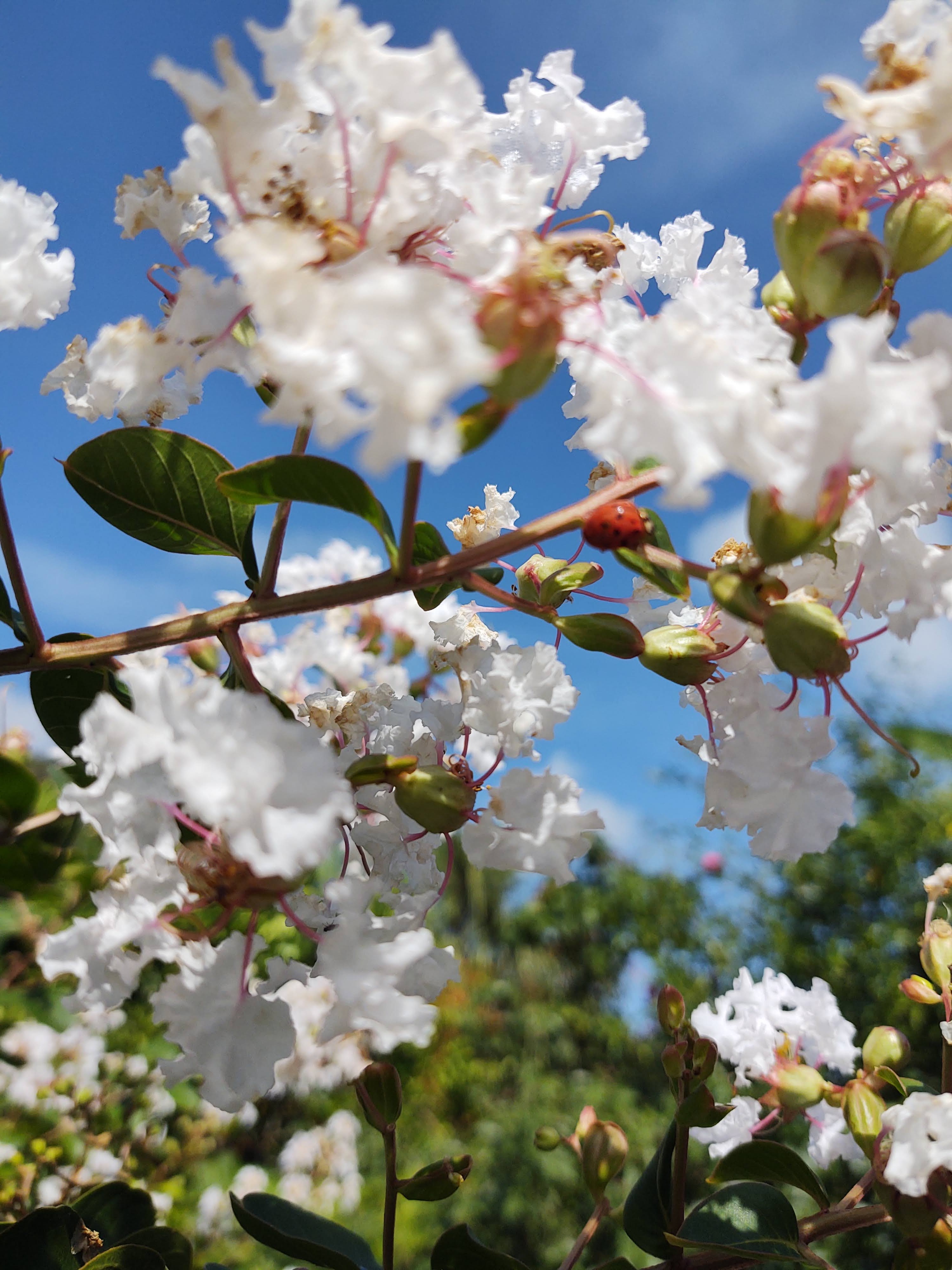
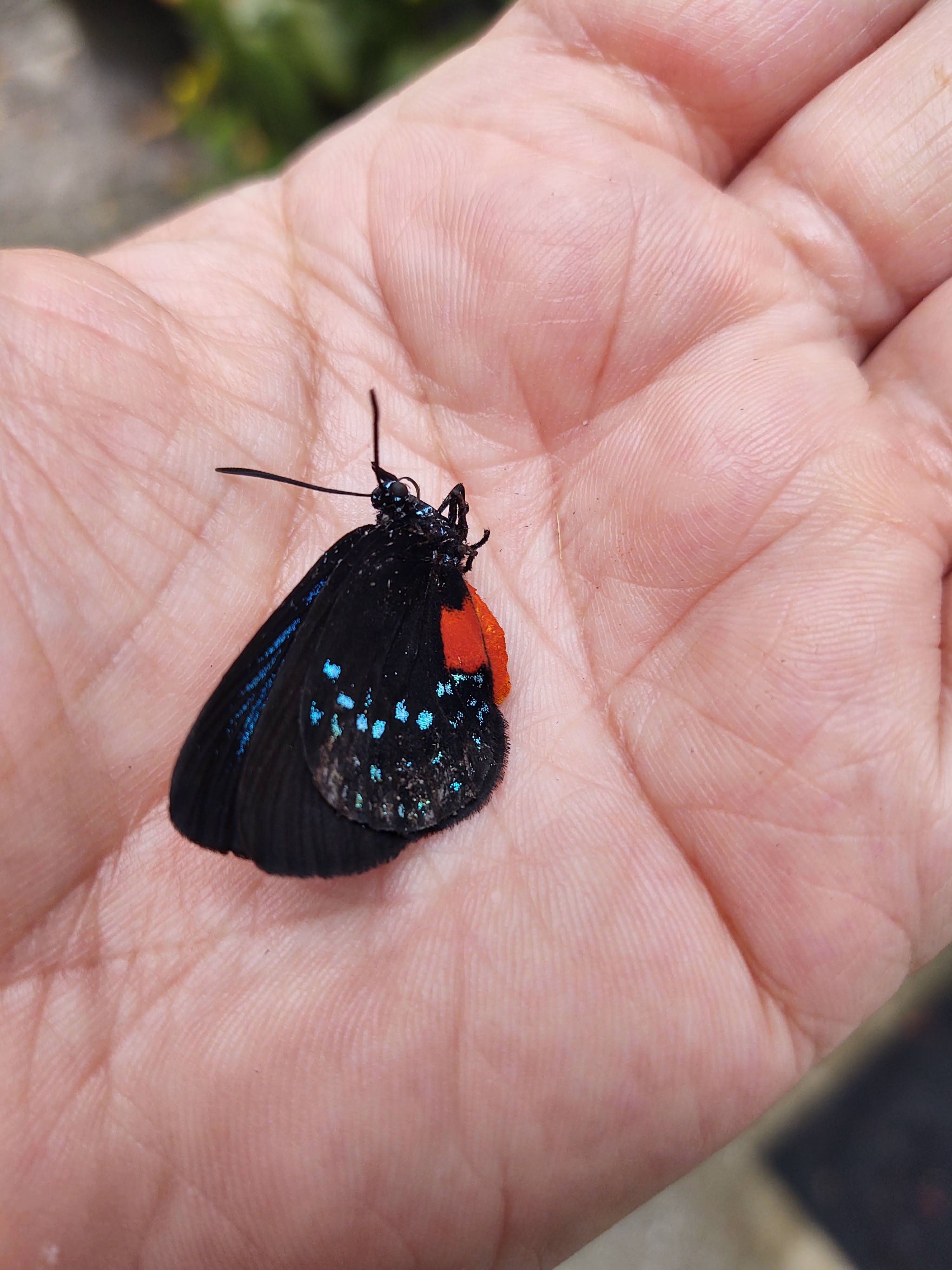
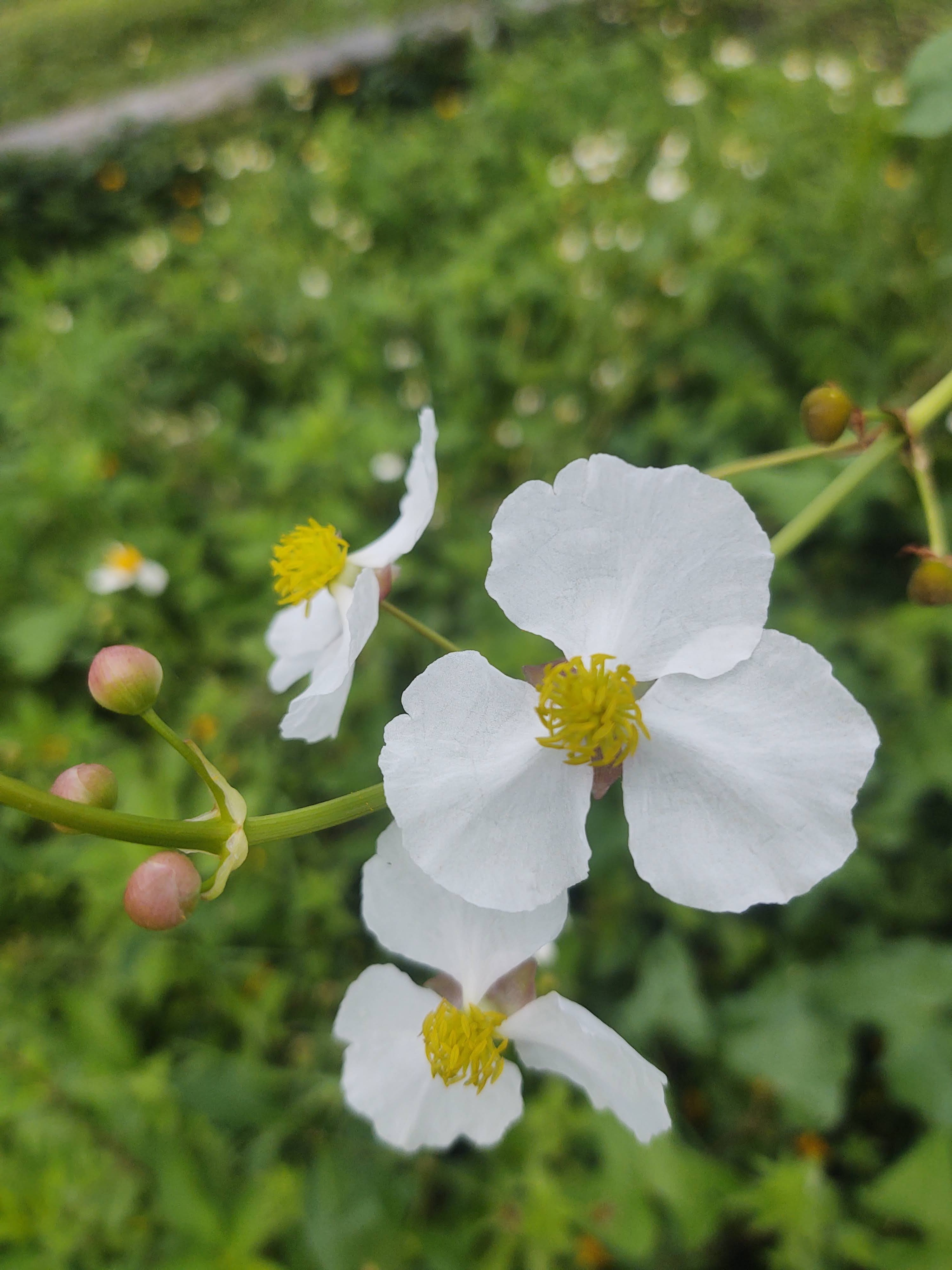
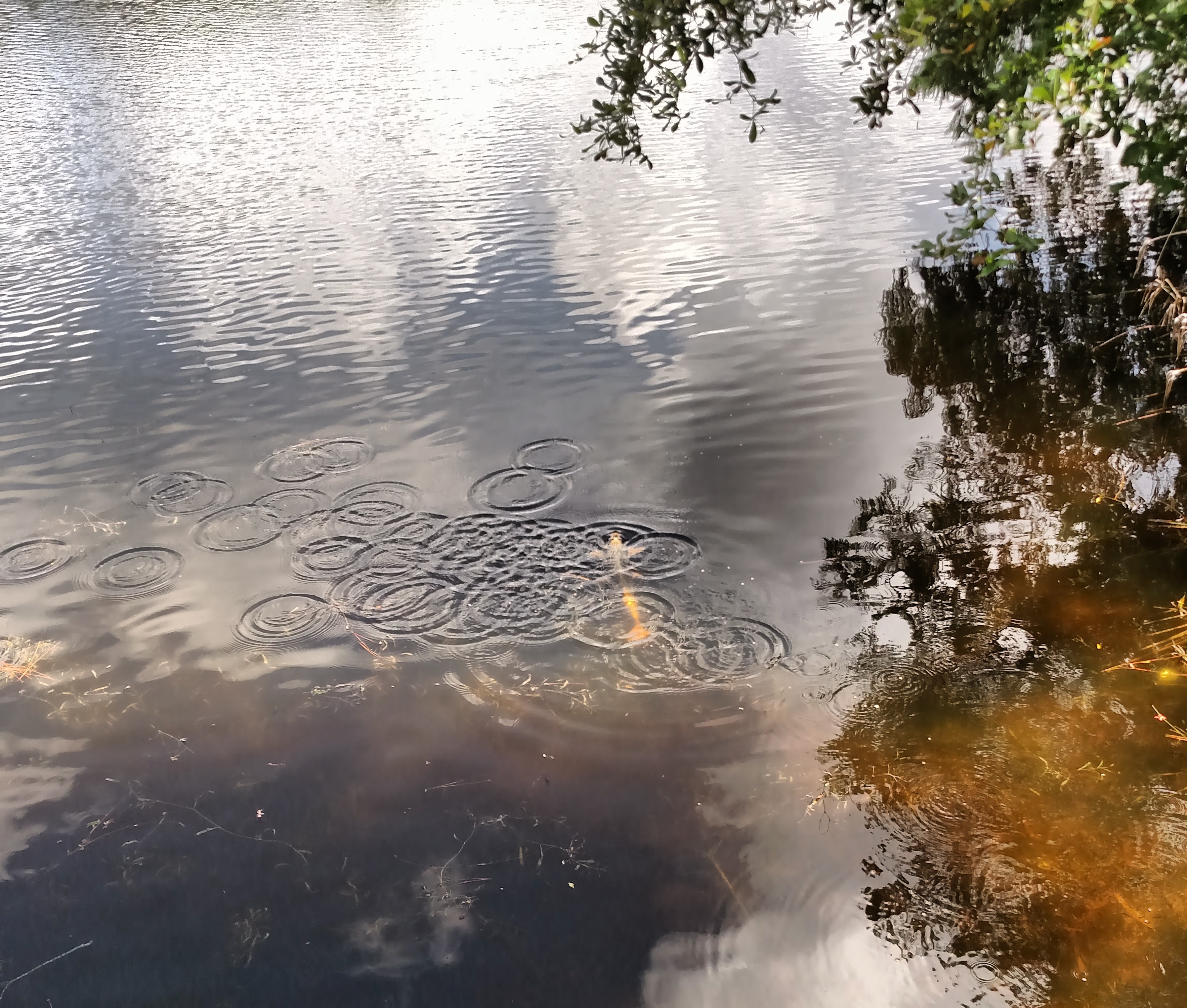
When my daughter and I were visiting a botanical garden, we saw the most beautiful fish. The pictures just don’t do it justice! It was the palest gold and shone so bright in the sun. We kept trying to catch sight it as swam threw the murky water. The alligator in the third picture was quite intent on catching it as well, but the clever little fish disappeared into the weeds. So came the idea for The Golden Fish Scale.


When I began to write it, a name for the little chore girl popped right into my head. Nobuko was a woman I knew when I was very young. She was always so kind to me and I still remember her fondly.

It is still a bit rough around the edges, so fair warning, there will be typos and grammatical errors. The story and artwork are still conceptual or in progress and may or may not appear in the final book.
And now…
The Golden Fish Scale or The Boy Who Was Sometimes a Fish
Long, long ago a very poor town stood on the edge of a wide sad-looking river. The town had not always been poor, and the river along which it stood had not always been so murky. In fact, in had been said to have been the most beautiful river under heaven.
In this town lived a young girl named Nobuko. She lived there with her mother, father and grandmother. They were also very poor, just like the town, but it hadn’t always been that way. Seven years before, when Nobuko had only been a year old, the river had begun to turn dirty and foul. With the change in the river came a change in the town’s fortunes, and in the fortunes of Nobuko’s family as well.
Still, Nobuko thought herself lucky because she had been able to find respectable work in the household of a young widow of high esteem who lived on the other side of the river where the oldest and most influential families lived.
Every morning Nobuko traveled over the long wooden bridges to the young widow’s house. There she would clean out the ashes and scrub the floors; sweep the walks and beat the rugs; and anything else the head housekeeper told her to do.
The head housekeeper was a tall woman, with odd yellow eyes and a wide mouth. She ran a strict household, and the few servants left there lived in fear of angering her. Though to be fair, she had never even said a harsh word to the young chore girl.
One morning in early spring, while Nobuko was sweeping the garden walks, she heard someone crying softly. She peaked around the corner of the garden wall to find a lovely woman sitting on a stone bench.
Of course, Nobuko recognized the mistress of the house, although she had never met her. The sounds of the young widow’s grief pulled at Nobuko’s heart, and even though she knew the housekeeper would be angry if she were to bother the mistress, she stepped around the corner and into the garden.
“Pardon me, mistress,” Nobuko said from a respectful distance. “Are you well? Is there something I can do to help?”
The young widow turned to look at Nobuko in surprise. Her face was beautiful and perfectly serene, despite the crystal tears sliding down her snow white cheeks. Suddenly, Nobuko was unsure of her choice to intrude.
“I am sorry, mistress. I did not mean to bother you,” she said, lowering her eyes.
“You have not,” the lady assured her. She beckoned Nobuko to come closer. “Who are you child and why are you here?”
“I am the chore girl, mistress. I clean out the ashes and scrub the floors; sweep the walks and beat the rugs; and anything else the head housekeeper asks me to do.”
“You are so young though! You must be industrious indeed to be working at such an age.” There was a deep sadness in the young widow’s gentle voice. “In happier times you would not have had to. You could have explored the little islands and played down by the river’s edge as my son liked to do. He would be close to your age, I think. Today is his birthday. He would have been nine years old today.”
Nobuko had never seen a boy in the house and her heart ached at the thought of why that might be.
“What is your name, child?” the lady asked her, not unkindly.
“My name is Nobuko, mistress,” the young girl answered respectfully.
“You have a caring heart, Nobuko,” she said, handing Nobuko a small paper bag. “Here, take these. They were his favorite. Now go along, I would not wish you to fall behind in your work.”
Thanking the lady gratefully, she slipped the bag into her apron pocket, then taking up her broom, headed back out into the garden to continue her sweeping.
For the rest of the morning she went about her work. Not even taking a moment to peak at the bag, despite her curiosity.
When the sun was high in the sky, Nobuko set aside her brooms and buckets and headed home to make lunch for her grandmother, as she did everyday.
When she arrived at their house, she took the bag from her apron pocket. It was beautiful, with silver waterlilies printed all across the bright green paper, and swimming in between them were tiny golden fishes. It was be far the finest thing Nobuko had ever owned.
When she opened the bags clever folds, much to her surprise, she found five perfect golden cookies!
She left two where they were, deciding to save them for her parents who were out working in the fields. The other three she took out, setting one aside for herself and placing one on the tray next to the small bowl of rice which was her grandmother’s lunch. Unsure of what to do with the last one, she put it back into her apron pocket.
When her grandmother ate the cookie, a smile up lit her weathered face. Her cheeks became round and rosy in a way that Nobuko had not seen since she was very little.
“Where did you get such a treat?” her grandmother asked. “I have not tasted these in so long! Golden cookies were always my favorite. You may not remember because you were very young, but every year in the spring, we would have a festival for the River King. The cooks of the great houses on the other side of the river would make bags and bags of them to bring to the festival. Everyone, poor and rich alike, would eat them so that prosperity might be shared by all.”
“I have another,” Nobuko offered, eager to see her grandmother’s face light up again.
“No child, you eat it,” she said, smiling fondly. “I have had many in my lifetime. But who knows when next you might have the chance!”
“I have one for myself,” Nobuko assured her grandmother. “But I second one in my pocket that I thought to share.”
“Keep it there, for later. You might find someone who needs it more,” her grandmother said.
Nobuko took a bite of the golden cookie she had set aside for herself. It was delicious! Crispy and crumbly, it melted in her mouth like nothing she had ever eaten before. Now she understood why they had been her grandmother’s favorite.
She made sure her grandmother had settled in with her lunch. Then, giving her a kiss on her weathered cheek Nobuko headed back out to finish up the afternoon work that waited for her.
The young chore girl made her way back across the wooden walks, watching as the river’s sluggish brown water moved slowly just a little ways below her feet. She wondered what the river might have looked like, back when they still held festivals for the River King.
In the center of the river was an island, which the wooden walks also crossed over. Nobuko had just reached the other side of it when she saw something flash in the water.
She stopped and peered over the edge of the wooden planks, wondering what it could have been. She looked and looked and for a moment thought she saw the brilliant flash of golden scales in the murky water below. But with the flick of a tail, it was gone, disappearing down into the lank weeds that covered the river’s bottom.
Nobuko waited, hoping to see it again. Its scales had been as bright and shiny as the gold-foil fishes on the clever little bag the young widow had given her. She stayed for longer than she should have. In fact, she waited so long that she had to run as quickly as she could just so that she would not be late back to work.
That afternoon went quickly enough. Nobuko cleaned out the ashes and swept the floors, but all the while she thought of scales the color of new minted coins flashing through the dirty water.
The sun was setting by the time her day’s work was done, but she did not hurry home as she usually would. Instead, she walked slowly along the edge of the long wooden bridge, looking down into the water as she went along.
Of course, she was hoping to catch another glimpse the golden fish. When she reached the spot where she had last seen it Nobuko stopped and leaned over the railing as far as she could, watching for flashes of gold in the river weeds. Then suddenly there it was, looking back at her with big gold eyes. With a flick of its tail, the fish swam right up to the surface, and to her amazement it spoke to her.
“Hello!” it greeted her, its scales gleaming in the setting sun. “Are you the same girl I saw earlier today?”
“I am,” she admitted because she was a truthful girl.
“What is your name?” asked the fish.
“Nobuko,” she answered. “What is yours?”
“Hmm, I don’t know that fish usually have names,” the fish said.
“Well fish don’t usually talk with people either,” the young girl pointed out.
“True,” the fish agreed. “But when I sleep on the riverbed I often dream that I am a human, so maybe that’s why.”
“Maybe,” the young girl conceded.
“I’m so glad to have someone to talk to!” the fish said spinning joyously in the water. “Let’s be friends!”
“Okay!” Nobuko agreed, happily. There weren’t many children in the village and besides she had always been so busy that she never had the time to make friends. That her first friend was a fish didn’t seem odd to her at all.
She reached into her apron pocket and took out the golden cookie. She broke off a small piece for herself.
“My grandmother told me they used to make these cookies for the River King’s festival. Since we are friends now and you live in the river it makes sense for us to share it,” she said as she tossed the rest of the cookie down to the fish below.
The fish caught it and gobbled it up.
“Delicious!” it said, leaping high out of the water. It fact it leapt so high out of the water the it landed right on the island’s shore.

Horrified, Nobuko rushed down the steps that led to the island below hoping to catch the stranded fish and throw it back in the water. Before she could reach it though there was a shower of glittering scales, and standing in their midst was a boy, just a little older than her. His skin was golden as were the clothes he wore. Even his dark hair was tipped in gold. He blinked big gold eyes at her once, twice, then with a shout leapt high into the air.
“Haha! Look at me! Look at me! Standing on two legs and all!” he crowed. “Was that a magic cookie you gave me?”
“I don’t think so,” Nobuko said. “My grandmother and I both ate one and nothing happened to us!”
“Oh well, whatever the reason, at least now we can play together,” he said, and grabbed her by the hand. They played until it was nearly too dark for her to see. By then they were back to the place where the pile of scales still sat, gleaming in the deepening twilight.
The boy went to stand in the middle of the shiny mound.
“Will come to play with me tomorrow?” he asked and Nobuko agreed that she would.
A glittering whirlwind of scales swirled up around the boy’s feet, then with a mighty leap the golden boy was back in the water, a fish once again.
“I’ll see you tomorrow!” He said, swimming down into the dark water.
When Nobuko looked down at the place where the boy had stood only a moment before, she found a single golden scale shining on the dark ground. She picked it up and slid it into her pocket where it stayed.
The two children met the next day and every day after that. As soon as Nobuko was finished with her work, she would hurry to where he waited at the foot of the bridge. They would share with him the rice cake that she had saved from that morning when she had made the ones for her parents to eat while they worked in the fields and play until it was almost dark, and afterwards promise to see each other again the next day.
They had many fun adventures. One such adventure happened on a day when Nobuko had finished her work earlier than usual. She and the golden boy explored deeper into the island than they ever had before. Near the other side of the island from where they usually met they found a small pool filled with cold water, clear as crystal. The whole of its sandy bottom glittered in the late afternoon sun. And when they knelt down to see if they could figure out why, they saw that it was covered with thousands and thousands of fish scales.
This went on for some time until the little chore girl and the boy who was sometimes a fish had become fast friends.
One evening just after they had finished playing and after the golden boy had become a fish once again, Nobuko stayed just a little longer talking to him over the edge of the wooden bridge. Finally, she said good bye and tossed him that last bit of rice cake from out of her apron pocket.
“What are you doing?” a cold voice asked from behind her.
Nobuko jumped then turned to find the housekeeper standing just behind her. For a moment, the woman’s yellow eyes seemed to glow red in the light of the lantern that she was holding. Nobuko blinked and the glow disappeared.
Nobuko was a truthful girl so she admitted to the housekeeper that she was feeding a fish from the crumbs in her pocket that she had saved back from her lunch. That the fish was also a boy, she kept to herself. She bowed her head and waited for the scolding for wasting food that she was sure to come.
“That is a very kind thing to do,” the housekeeper said in the gentlest voice that Nobuko had ever heard her use. “I am on my way to see my son and you are welcome to share my lantern with me.”
So Nobuko walked back across the bridge with the housekeeper who expressed her surprise that there were any fish left in the river at all and asked how it had come about that Nobuko was feeding one.
And again, because Nobuko was an honest girl, she told the housekeeper about how she had found their mistress the young widow in the garden and how she had given Nobuko the bag of golden cookies.
The scolding that Nobuko was convinced would surely come now, did not. Much to her surprise.
“Ah yes, those cookies were her son’s favorite,” the housekeeper nodded. “Such a tragedy for her to have lost him.”
“He died then?” Nobuko asked, the memory of the young widow’s sadness tugging at her heart.
“He must have. Though it was before my time as housekeeper, it has been said that he had wandered down to the river’s edge and has never been seen since.”
“That is horrible!” Nobuko exclaimed.
“Yes, horrible,” the housekeeper agreed. Her voice was flat, but when Nobuko looked up in her eyes she saw them shining with tears.
They parted ways at the end of the last bridge, Nobuko turned for home and the housekeeper continued on towards the town gates.
The next day and for the whole week after Nobuko finished her work early. She rushed to the island to play. The boy who was sometimes a fish always met her there leaping up out of the water and transforming in a shower of golden scales. She was so happy to have a friend that she didn’t worry about much else, but sometimes she would get a little shiver along her spine. And sometimes she thought she saw a pair of pale yellow eyes watching them from just above the river’s muddied water. But then when she blinked they were gone.
One afternoon she went to look for the housekeeper as usual to tell that she was finished for the day and to collect her pay. She couldn’t find her anywhere and none of the other servants that she asked had seen her either. She waited for a little longer and then decided to leave after telling the cook what she was about.
She raced along the long wooden bridges to the steps that would lead her down to the island. Even before she was at the bottom she heard a tremendous splash. She ran to the shore just in time to see the golden fish arch high up out of the water into the air. Nobuko was horrified to see a monster launch itself out of the river after him.
Its hide was the same color as the muddy water but its pale scaly belly flashed against the dark water as it opened impossibly wide jaws filled with sharp white teeth. The jaws snapped closed, but they missed the golden fish who had slipped back into the water and hid down in the river weeds. The creature launched itself out of the water again and again as the golden fish darted in and out of hiding.
Nobuko did not think, she picked stones from at feet and began to throw them as hard as she could at the creature, aiming as best she could from its eyes.
Now Nobuko might have been a young girl, but she was strong from all the hard work she had done, and the stones were sharp. The creature stopped its thrashing and slowly sank below the water, its sickly yellow eyes watching Nobuko the whole time. She didn’t stop throwing stones until the telltale ripples had moved far, far away.
Not knowing what to do but sure that the golden boy who was sometimes a fish would not make an appearance at the shore she was on, Nobuko headed to the secret spring. The last of the afternoon light sparkled on the cold water as she washed the dirt from her hands and the tears that she had not even known she had shed from her face.
A familiar joyful voice surprised her from her task.
“What was that!” the golden boy exclaimed.
She was so happy to see him safe she hugged him. “I don’t know! But I feel like maybe it has been watching us and that was a trap you swam into to. Maybe, maybe… we shouldn’t meet anymore.” Nobuko had a hard time getting the words out. She didn’t want to lose her only friend.
“No!” the boy stamped his foot. “I don’t want to,” he added in a sad quiet voice.
“I don’t want to either,” admitted Nobuko. “I know! We could meet after I make my grandmother’s lunch. And we can meet here instead of our usual spot. Maybe then, the monster won’t see you.”
“Then that is what we will do!” the golden boy whooped exuberantly, leaping high into the air.
They said goodbye and the boy promised to be careful. Nobuko rushed home.
All through the night Nobuko worried about the boy who was sometimes a fish. She fell asleep with the golden fish scale clutched tightly in her hand.
The next morning it was the cook who gave her tasks for the morning, but Nobuko didn’t think much of it. She did them all as quickly as she could so that she might leave a little early for lunch.
When she had finished, she rushed back to make her grandmother lunch. While she did, she asked her grandmother, “Grandmother, have you ever heard of a monster living in the river?”
“You have not heard the story?” her grandmother asked in turn. Nobuko shook her head.
“Long ago, when my mother was a young girl and our town was still beautiful and prosperous, a demon came up from the delta far to the south.
“They say the demon was the son of a powerful sorceress. It had long jaws filled with teeth that opened so wide they could snap up a whole bull calf, which it did more than once. And its scaly hide was so tough, no arrows could pierce it. But most terrifying was that he could move beneath the water so silently a person would never even know that he was there. Only occasionally would one see its yellow eyes above the water and in lantern light they were said to glow red.
“It took to stealing away beautiful young women from the town as well as from the families across the river. Until the elders of the village made the long trek to the head of the river to make an offering to the River King in the hopes that he could help.
“Before they had returned there was a great storm and when it had ended the monster was dead. Some that had braved the storm said that they had seen the River King himself dressed all in his golden armor as he killed the demon.”
Nobuko had listened with a quailing heart as her grandmother told the story. “But grandmother, is this a true story or just a children’s tale?”
“Oh, it is true! The demon’s hide still hangs on the town gates to this day.”
Nobuko knew that she had to tell this story to the boy. “I am sorry grandmother, I must go!” she exclaimed as she jumped up and ran out the door.
Her feet pounded on the wooden bridges as she ran to the island and flew down the steps. But despite her fears, all seemed quiet. No sinister shadows darkened the sluggish river. No nacred yellow eyes peered up from the muddy water. Nobuko’s heart began to slow.
She headed towards the spring where she promised to meet the boy who was sometimes a fish. Someone was already there when she arrived, but it wasn’t the someone she had expected.
Sitting on a large stone at the edge of the spring was Nobuko’s mistress, the young widow. She was looking into the spring with a wistful expression and a sad smile on her lips.
Nobuko didn’t know what to do! She didn’t want to intrude on her mistress, but she was supposed to meet the boy here.
As she stood there uncertainly, the young widow glanced up right at her. She smiled.
“Hello again!” Her voice was just as kind as Nobuko remembered it, though perhaps a little less sad this time. Nobuko bowed and dropped her eyes respectfully.
“Now, now,” the young widow said, “There is no need to be so formal here. This is a special place, my wishing spring where a person just can be who they want to be. At least, that is what he used to tell me.” She patted a stone near the one where she sat. “Come sit here with me.”
Nobuko did as the young widow asked. She looked up at the lady’s beautiful face as she continued to watch the clear water with its glittering bottom covered in fish scales.
“When I was a young, I would come here to escape from my teachers. I met a boy here, a beautiful boy with eyes the color of fine tea and hair as black as the night sky. He did not live in the town, but further up river. We always met here around the time of the River King’s Festival. He would tell me stories of the river and we would laugh and make wishes while we threw fish scales which he had brought with him into the spring.
“But I was the daughter of a rich family and he just a common fish peddler. One year after he had left, I was married to the son of another influential family. That next year I was with child. I came to the spot where we had met so often anyways, to tell him the news. My heart felt as though it would break, for you see, I had secretly been in love with him. But he did not come. Not that year, nor any year after that.
“I lost my husband only a year after our son was born and soon after my son disappeared as well. Still I come here every year at this time to dream of once was and make wishes.”
Nobuko watched the crystal tears following freely down the young widow’s silken cheeks, her heart breaking for the beautiful woman beside her. Without thinking she took the young widow’s hand in hers. She turned her face to Nobuko.
“I would make a wish for you sweet child if I could, but I have no fish scale to make a wish with,” the young widow lamented.
Nobuko pulled the golden fish scale out from the apron pocket where she always kept it. She offered it to the young widow beside her. But the kind woman shook her head and would not take it.
“No, you should make wish,” the young widow insisted, so Nobuko threw the golden scale into the spring. It glittered as it slowly sank to join all the other wishes on beneath the clear water.
But Nobuko, being the tenderhearted girl that she was had not made one small wish for herself but rather she had made one big wish.
When the scale came to rest at the bottom of the spring the whole island shook as though a giant had stamped his foot. The water sprayed up in a cascade of diamonds and in its midst stood a beautiful man dressed in robes of mercurial blue with hair as black as the night sky and fine tea-colored eyes.
At that same moment there came a tremendous splash and from the other side of came the boy who was sometimes a fish running full tilt in a swirl of golden scales. And after him thrashing through the trees came the same terrifying creature she had seen the day before. Short legs propelled it at amazing speed while its thick tale felled trees in its wake. Its monstrous body shifted as it chased him, changing into the tall angular form of the housekeeper.
“You shall not escape me again!” she roared.
The boy leapt high into the air landing in the spring just as the man was stepping out of it. The golden scales flew around him settling on his blue robes until he was clothed in shining armor.
“I thought you had gone for good, River King,” she said in a guttural hiss. “You killed my son, so I came for the son of your life’s love. But why should I settle for a little fish when the king of them all stands before me.”
“All that stands before you sorceress is your death!” the River King boomed.
A great storm howled down from the sky. Lightning flashed through the sky and the wind screamed as the storm raged. Trees crashed and splintered around them while Nobuko, the young widow, and the boy who was still a boy cowered in terror. A horrendous battle ensued as the River King resplendent in his armor fought the sorceress who had once again become a monstrous demon. They held tight to each other and the stone next to which they huddled as a wall of water rushed over the island.
When at last the storm quieted, they opened their eyes to find the River King still standing and at his feet the sorceress lay dead pierced by a thousand fish scales.
The young widow stood up, her eyes wide with joy and surprise. She looked down at the boy who was a boy still, then up at the River King. “You have returned.”
The River King came over and took up her hands in his. “We have.”
And so Nobuko’s wish had come true. The river had been washed clean again, the young widow’s love had returned to her, though it turned out that he was anything but a common fisherboy. And the boy who had sometimes been a fish, but it turned out had always been a boy in truth, was safe.
The River King had never stopped coming to the island, as the young widow had thought. But seeing her happy and with a beautiful son had only watched from afar. That was, until the sorceress thought cursing the son of the woman he loved would be a fitting revenge for the death of her son.
To save the widow’s son, the River King transformed him into a fish and himself in the golden scales that protected him. Which was how the sorceress was able to take power from the river and keep the river king weak. Soon both the River King and the boy had forgotten what they were until the boy had eaten the cookie and began to remember what it was to be human.
From then on, town grew prosperous again. Nobuko and the boy who was no longer a fish stayed friends. Nobuko’s family became caretakers of the young widow’s estate.
The young widow married the River King who came to visit whenever the moon shone on the water. And when her son, the boy who had by then grown into a man, came of age, she and the River King went off in a boat made of mist. But every year they returned for the River festival bringing with them loads of golden cookies.